Gluten-free meal plan for celiac disease that’s simple, safe, and tasty. Learn what to eat, avoid, and plan daily meals with confidence.
Gluten-free meal plan for celiac disease focuses on eating foods that are naturally gluten-free while avoiding even tiny traces of gluten. It helps reduce symptoms, heal the gut, and support long-term health. With the right plan, eating gluten-free becomes simple, safe, and enjoyable.
Gluten-Free Meal Plan For Celiac Disease 🍽️
Ever feel confused about what’s actually safe to eat with celiac disease? You’re not alone. Many people think gluten-free eating is restrictive. The truth is, a gluten-free meal plan can be flexible, filling, and full of flavor.
A gluten-free meal plan for celiac disease removes all sources of gluten. That includes wheat, barley, and rye. It focuses on whole foods like fruits, vegetables, lean proteins, and safe grains. When followed correctly, it helps heal intestinal damage and prevents symptoms.
Living gluten-free is not a trend for celiac patients. It’s a medical necessity. Even small mistakes can trigger fatigue, pain, or digestive distress. That’s why having a structured meal plan matters so much.
Understanding Celiac Disease And Gluten 🚫
Celiac disease is an autoimmune condition. Gluten triggers the immune system to attack the small intestine. Over time, this damages nutrient absorption and overall health.
Gluten is a protein found in wheat, barley, and rye. It hides in many processed foods. Even sauces and seasonings can contain it. That’s why label reading becomes a daily habit.
Symptoms vary from person to person. Some feel stomach pain and bloating. Others notice fatigue, skin rashes, or brain fog. A strict gluten-free diet is the only treatment.
Why A Gluten-Free Meal Plan Matters 💡
A meal plan removes guesswork from daily eating. It reduces accidental gluten exposure. That alone lowers stress and anxiety around food.
Planning meals helps balance nutrition. Many gluten-free diets fail because they rely too much on packaged foods. A proper plan includes fiber, protein, and healthy fats.
Consistency is key for healing. Eating gluten-free “most of the time” is not enough. A structured plan keeps you on track every day.
Foods You Must Avoid Completely ⚠️
Certain foods are never safe for celiac disease. Even small amounts can cause damage. Knowing what to avoid protects your health.
Common gluten-containing foods include:
- Wheat, barley, and rye
- Bread, pasta, and baked goods
- Cereals with malt or wheat
- Beer and malt beverages
- Soy sauce made with wheat
Hidden gluten is a big risk. Processed foods may contain fillers or thickeners. Always check labels and choose certified gluten-free products.
Naturally Gluten-Free Foods You Can Enjoy 🥗
Many foods are safe by nature. These should form the base of your meal plan. They are nutritious, filling, and easy to find.
Safe gluten-free foods include:
- Fresh fruits and vegetables
- Eggs and dairy products
- Meat, poultry, and fish
- Beans, lentils, and nuts
- Rice, quinoa, and corn
Focusing on whole foods reduces risk. It also improves digestion and energy levels. Simple meals are often the safest meals.
Safe Gluten-Free Grains And Alternatives 🌾
Not all grains contain gluten. Some are excellent substitutes for wheat-based foods. These add variety and nutrition.
Popular gluten-free grains include:
- Rice and brown rice
- Quinoa and millet
- Buckwheat and sorghum
- Certified gluten-free oats
- Amaranth and teff
These grains provide fiber and minerals. Always buy products labeled gluten-free. Cross-contamination can happen during processing.
One-Day Gluten-Free Meal Plan Example 🗓️
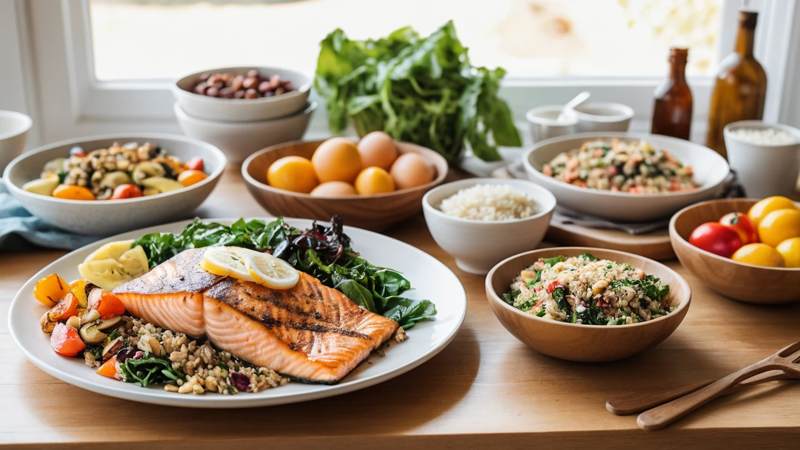
A sample day helps visualize how simple gluten-free eating can be. Meals don’t need to be complicated or boring.
| Meal | Example Food |
| Breakfast | Scrambled eggs with spinach and fruit |
| Snack | Greek yogurt with honey |
| Lunch | Grilled chicken, rice, and vegetables |
| Snack | Apple with peanut butter |
| Dinner | Baked salmon and roasted potatoes |
This type of plan keeps meals balanced. It also limits processed foods. Simple combinations are often the safest choice.
Seven-Day Gluten-Free Meal Plan Overview 📅
Weekly planning saves time and stress. It also helps with grocery shopping and budgeting. You know exactly what to eat.
A basic weekly structure might include:
- Protein-based breakfasts
- Grain and vegetable lunches
- Balanced dinners with protein and carbs
- Two snacks per day
Repeating meals is okay. It reduces mistakes and mental load. Variety can be added slowly as confidence grows.
Gluten-Free Breakfast Ideas To Start Strong ☀️
Breakfast sets the tone for the day. A good gluten-free breakfast keeps energy steady. It also prevents cravings later.
Easy gluten-free breakfast options include:
- Omelets with vegetables
- Smoothies with fruit and yogurt
- Gluten-free oatmeal with seeds
- Cottage cheese and fruit
Avoid sugary cereals unless certified gluten-free. Whole foods work best in the morning. Protein helps you feel full longer.
Gluten-Free Lunch Ideas For Busy Days 🥪
Lunch often happens outside the home. That makes planning even more important. Packing meals reduces risk.
Safe lunch ideas include:
- Rice bowls with meat and veggies
- Salads with olive oil dressing
- Gluten-free wraps with fillings
- Leftovers from dinner
Always double-check dressings and sauces. Many contain hidden gluten. Simple seasoning is often the safest choice.
Gluten-Free Dinner Meals That Feel Normal 🍽️
Dinner should feel satisfying, not restrictive. Many classic meals are naturally gluten-free. You don’t need special recipes.
Dinner ideas include:
- Grilled meat with potatoes
- Stir-fried vegetables with rice
- Baked fish with salad
- Chili made without wheat fillers
Cooking at home gives full control. You can enjoy familiar flavors without risk. Family meals become easier this way.
Gluten-Free Snacks That Are Safe And Filling 🍎
Snacking helps manage hunger between meals. It also keeps blood sugar stable. The key is choosing safe options.
Gluten-free snack ideas include:
- Fresh fruit and nuts
- Cheese sticks or yogurt
- Rice cakes with toppings
- Homemade popcorn
Avoid shared snack bowls. Cross-contact can happen easily. Always keep your own labeled snacks if needed.
Reading Labels Like A Pro 🏷️
Label reading is a daily skill for celiac disease. Ingredients change often. Never assume a product is safe.
Look for:
- “Gluten-free” certification
- No wheat, barley, or rye
- No malt or brewer’s yeast
- Clear allergen statements
When in doubt, skip it. Your health is worth it. Over time, label reading becomes second nature.
Preventing Cross-Contamination At Home 🧼
Even gluten-free foods can become unsafe. Shared kitchens pose risks. Simple habits can prevent problems.
Important safety tips include:
- Separate cutting boards and toasters
- Clean surfaces before cooking
- Use squeeze bottles instead of jars
- Store gluten-free foods separately
These steps protect your meals. They also protect healing progress. Small habits make a big difference.
Eating Out On A Gluten-Free Meal Plan 🍴
Eating out feels scary at first. But it’s possible with preparation. Many restaurants now offer gluten-free options.
Helpful tips include:
- Check menus ahead of time
- Ask about preparation methods
- Avoid fried foods unless dedicated fryer
- Keep meals simple
Confidence grows with experience. Start with trusted places. Over time, dining out feels less stressful.
Common Gluten-Free Diet Mistakes ❌
Many beginners make the same mistakes. Learning from them saves time and discomfort. Awareness is powerful.
Common mistakes include:
- Relying on processed gluten-free foods
- Ignoring cross-contamination
- Skipping fiber and nutrients
- Not reading labels carefully
A gluten-free diet is more than removing bread. It’s about balance and safety. Whole foods always win.
Nutrients To Watch On A Gluten-Free Diet 🧠
Removing gluten can reduce certain nutrients. Planning helps avoid deficiencies. Awareness keeps you healthy long-term.
Important nutrients to monitor include:
- Fiber
- Iron
- Calcium
- Vitamin B12
Including vegetables, legumes, and dairy helps. Some people need supplements. Regular checkups can guide adjustments.
Sample Gluten-Free Grocery List 🛒
A clear grocery list makes shopping faster. It also reduces impulse buys. Stick to the plan.
| Category | Examples |
| Produce | Apples, spinach, carrots |
| Protein | Chicken, eggs, fish |
| Grains | Rice, quinoa, oats |
| Dairy | Milk, yogurt, cheese |
| Snacks | Nuts, popcorn |
Shopping the outer aisles helps. That’s where whole foods live. Less processing means less risk.
Conclusion: Living Well With A Gluten-Free Meal Plan 🌱
A gluten-free meal plan for celiac disease is about safety, healing, and confidence. It removes gluten completely while supporting balanced nutrition. With planning, label reading, and whole foods, gluten-free living becomes easier every day. You can eat well, feel better, and enjoy food again.
FAQs
What Is The Best Gluten-Free Meal Plan For Celiac Disease?
The best plan removes all gluten completely. It focuses on whole foods like fruits, vegetables, and proteins. Consistency is more important than variety.
Can I Eat Oats On A Gluten-Free Diet?
Yes, but only certified gluten-free oats. Regular oats are often contaminated. Always check labels carefully.
How Do I Avoid Hidden Gluten In Foods?
Read ingredient labels every time. Look for gluten-free certification. Avoid foods with vague additives.
Is A Gluten-Free Diet Healthy Long Term?
Yes, when balanced properly. Include fiber, protein, and healthy fats. Avoid relying on processed foods.
Can Eating Gluten-Free Heal Celiac Disease?
Yes, strict gluten-free eating allows the intestine to heal. Symptoms often improve within weeks. Long-term commitment is essential.