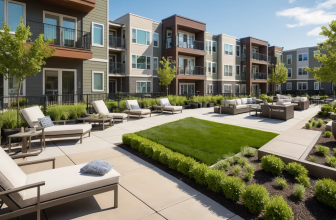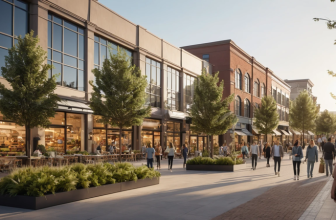
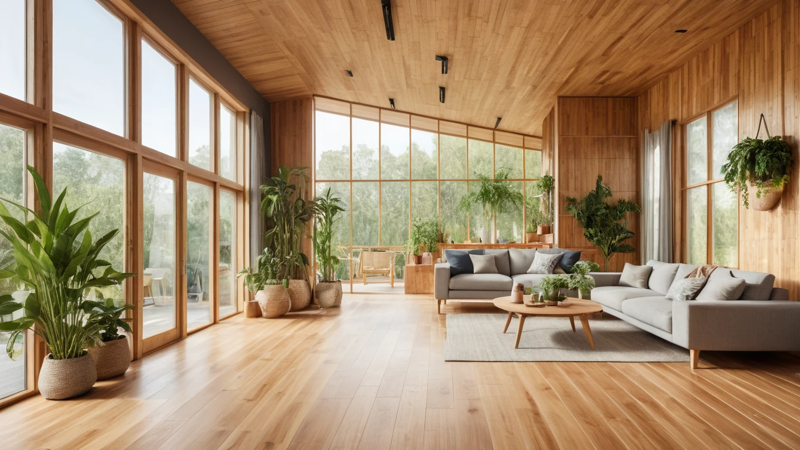
Green building materials help homeowners save energy, cut costs, and build healthier homes using eco-friendly, long-lasting solutions.
Green building materials are eco-friendly products that reduce environmental impact while making homes healthier, stronger, and more energy-efficient. They help homeowners lower utility bills, improve indoor air quality, and build responsibly without sacrificing comfort or style.
Have you ever wondered if your home could save money, protect your health, and help the planet—all at the same time? 🌱 Many homeowners think green materials are expensive or complicated. The truth is simpler and more exciting.
Green building materials are smart choices that reduce waste, cut energy use, and create safer living spaces. They work for new builds and renovations alike. If you want a home that lasts longer and feels better to live in, this is where you start.
Green Building Materials Every Homeowner Should Know 🌍
Understanding The Search Intent Behind Green Materials 🔍
Most homeowners searching this topic want practical guidance. They want to know what materials are worth using and why. Cost, durability, and real benefits matter more than theory.
The intent is informational with a buying mindset. Readers want clarity before making renovation or construction decisions. They also want reassurance that green choices are reliable and proven.
This article focuses on clear explanations, real-world uses, and homeowner-friendly language. No jargon. Just helpful insights you can act on.
What Makes A Building Material “Green” ♻️
A green building material reduces harm to the environment across its lifecycle. That includes sourcing, manufacturing, use, and disposal. It also supports human health.
These materials often use fewer resources and less energy. Many are recyclable, renewable, or made from waste. Some improve insulation and air quality.
Key traits include:
- Low environmental impact
- Energy efficiency
- Non-toxic composition
- Long lifespan
Green does not mean fragile or boring. Many options are strong, stylish, and affordable.
Why Homeowners Are Choosing Sustainable Materials 🏡
Homeowners want lower energy bills and healthier spaces. Green materials deliver both. They help maintain indoor temperatures and reduce HVAC strain.
Another big reason is long-term savings. While some materials cost more upfront, they last longer and need less maintenance. That adds up over time 💰.
There is also peace of mind. Living in a home built with safer materials feels good. You breathe easier, literally and emotionally.
Bamboo Flooring As A Renewable Choice 🌱
Bamboo grows much faster than hardwood trees. That makes it a highly renewable flooring option. It also looks modern and clean.
This material is tough and handles daily wear well. Many bamboo floors resist moisture better than traditional wood. That works great for kitchens and living rooms.
Homeowners love bamboo because it blends beauty and sustainability. It gives a natural feel without long-term environmental damage.
Recycled Steel For Stronger Home Frames 🏗️
Steel framing made from recycled content is incredibly durable. It reduces the need for new raw materials. That lowers carbon emissions significantly.
Unlike wood, steel resists termites, mold, and fire. It stays straight over time and does not warp. That means fewer repairs later.
Using recycled steel supports circular construction. Old materials get new life in modern homes.
Low VOC Paints For Healthier Indoor Air 🎨
Traditional paints release harmful chemicals into the air. These are called volatile organic compounds, or VOCs. They can cause headaches and irritation.
Low VOC paints reduce indoor air pollution. They are safer for kids, pets, and sensitive adults. Many options now offer rich colors and smooth finishes.
Switching paint is one of the easiest green upgrades. You feel the difference right away 😌.
Insulated Concrete Forms For Energy Savings ❄️🔥
Insulated concrete forms, or ICFs, combine concrete with rigid insulation. This creates strong, energy-efficient walls. Homes built with ICFs stay comfortable year-round.
They reduce air leaks and outside noise. Heating and cooling costs drop significantly. That helps both your wallet and the environment.
ICFs also resist fire and extreme weather. That adds safety along with efficiency.
Reclaimed Wood For Character And Sustainability 🪵
Reclaimed wood comes from old buildings, barns, or factories. Instead of going to waste, it gets reused. This saves trees and preserves history.
Each piece has a unique look. Scratches and marks tell a story. That adds warmth and charm to homes.
Reclaimed wood works well for flooring, beams, and accent walls. It is eco-friendly and visually striking.
Natural Stone With Minimal Processing 🪨
Natural stone like granite or slate lasts for decades. It requires less processing than many synthetic materials. That lowers energy use.
Stone also handles heat and moisture well. It works beautifully in kitchens, bathrooms, and outdoor spaces. Maintenance needs are minimal.
When sourced responsibly, stone is a long-term green investment. It rarely needs replacement.
| Material | Main Benefit | Best Use Area |
| Bamboo | Renewable & Durable | Flooring |
| Recycled Steel | Strong & Long-Lasting | Structural Frames |
| Reclaimed Wood | Low Waste & Unique | Accent Features |
Cork Flooring For Comfort And Insulation 👣
Cork comes from tree bark that regrows naturally. Harvesting it does not harm trees. That makes cork highly sustainable.
It feels soft underfoot and absorbs sound. Cork also insulates well, keeping rooms warmer. Many homeowners love it for bedrooms and offices.
Cork resists mold and pests. It is a quiet hero in green home design.
Sheep’s Wool Insulation For Natural Performance 🐑
Sheep’s wool insulation regulates temperature naturally. It absorbs moisture without losing performance. That helps prevent mold growth.
It is safe to handle and free from toxic chemicals. Wool also improves indoor air quality. It even absorbs airborne pollutants.
This insulation option fits well in eco-conscious homes. It performs well and feels natural.
Solar Roofing Materials For Clean Energy ☀️
Solar shingles and panels generate electricity from sunlight. They reduce reliance on fossil fuels. Over time, they cut energy bills.
Modern solar roofing blends into home design. It no longer looks bulky or outdated. Many homeowners qualify for incentives too.
Solar materials turn roofs into power sources. That is a smart upgrade with long-term rewards.
Recycled Glass Countertops For Modern Kitchens ✨
These countertops use crushed glass mixed with resin or concrete. They divert waste from landfills. The result is bold and stylish.
They resist stains and scratches well. Colors and patterns vary widely. That allows creative kitchen designs.
Recycled glass countertops combine beauty with purpose. They make a strong eco statement.
| Feature | Traditional Materials | Green Materials |
| Energy Use | High | Low |
| Indoor Air Quality | Poor | Improved |
| Lifespan | Moderate | Long |
Clay Bricks And Adobe For Thermal Control 🌡️
Clay-based materials like adobe regulate indoor temperatures. They absorb heat during the day and release it at night. This reduces energy use.
These materials are locally sourced in many regions. That lowers transportation emissions. They also last for generations.
Adobe homes feel naturally comfortable. They work best in dry climates.
Green Roofing Materials For Urban Homes 🌿
Green roofs use vegetation to cover rooftops. They reduce heat buildup and manage rainwater. This improves urban environments.
Plants add insulation and reduce cooling needs. They also improve air quality. Wildlife benefits too.
Green roofs turn unused space into living systems. They are functional and beautiful.
Smart Use Of Sustainable Materials In Remodeling 🔨
You do not need a full rebuild to go green. Remodeling offers many opportunities. Small changes add up.
Popular upgrades include:
- Low VOC paints
- Energy-efficient windows
- Recycled flooring materials
Each step improves comfort and efficiency. Start where it makes sense for your budget.
| Upgrade Area | Green Option | Homeowner Benefit |
| Walls | Natural Insulation | Lower Energy Bills |
| Floors | Bamboo Or Cork | Durability & Comfort |
| Roof | Solar Materials | Clean Energy |
Cost Vs Value Of Green Building Materials 💵
Some green materials cost more upfront. But long-term savings often outweigh initial prices. Lower utility bills matter.
Durability also reduces replacement costs. Maintenance needs are usually lower. That saves time and money.
Green homes often have higher resale value. Buyers recognize efficiency and health benefits.
Common Myths About Eco-Friendly Materials ❌
Many believe green materials lack durability. That is outdated thinking. Modern options meet strict building standards.
Another myth is limited style. In reality, green materials offer wide design flexibility. You can build modern, rustic, or classic homes.
Cost fears also stop homeowners. But many green choices are budget-friendly when planned well.
How To Choose The Right Materials For Your Home ✅
Start with your climate and lifestyle. Some materials perform better in certain regions. Energy needs vary too.
Set clear goals. Decide if you want energy savings, health benefits, or sustainability. Often, you get all three.
Consult experienced builders if needed. Smart planning avoids mistakes and maximizes benefits.
Conclusion 🌟
Green building materials help homeowners create healthier, smarter, and more efficient homes. They reduce environmental impact while improving comfort and durability. From bamboo flooring to solar roofing, each choice makes a difference. When used wisely, green materials save money and support a better future.
FAQs ❓
What are the best green materials for homes?
The best options include bamboo, recycled steel, low VOC paints, and natural insulation. These materials balance durability and sustainability. They also improve indoor comfort.
Are green building materials expensive?
Some cost more upfront, but many save money long term. Lower energy and maintenance costs add value. Many options fit modest budgets.
Do green materials improve indoor air quality?
Yes, especially low VOC paints and natural insulation. They reduce toxins and allergens. This makes homes healthier to live in.
Can I use green materials in remodeling?
Absolutely. Paints, flooring, and insulation are easy upgrades. Remodeling is a great time to go green.
Do green homes have higher resale value?
Yes, energy-efficient homes often attract buyers faster. Lower utility costs and healthier spaces increase appeal. Green features are strong selling points.