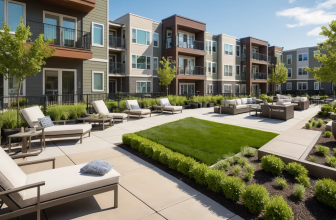

Retail Real Estate Outlook shows strong signs of recovery as foot traffic, leasing demand, and hybrid retail models rise nationwide.
After years of store closures and uncertainty, demand for well-located retail spaces is rising again. Foot traffic is improving, investors are returning, and brands are blending online and offline experiences. The retail real estate outlook in 2026 looks more stable, selective, and opportunity-driven than many expected.
Retail Real Estate Outlook – Is It Making A Comeback? 🏬📈
Is retail real estate really alive again, or is this just a short-term bounce?
For years, headlines predicted the end of brick-and-mortar stores. E-commerce surged, malls struggled, and vacancies climbed. Yet today, retail centers are filling up, rents are stabilizing, and shoppers are coming back.
The short answer is yes—retail real estate is making a comeback, but not in its old form. The market is evolving, not reverting. Investors and tenants who understand these shifts are finding real upside again.
Understanding The Current Retail Real Estate Landscape 🧭
Retail real estate today looks very different from a decade ago. The focus has shifted from massive malls to convenient, experience-driven spaces. Neighborhood centers and open-air plazas are leading the recovery.
Vacancy rates are declining in many U.S. metros. Leasing activity is strongest in grocery-anchored and service-based retail. These properties offer daily-use convenience that online shopping cannot fully replace.
Retail landlords are also adapting fast. Flexible lease terms and mixed-use layouts are now common. This adaptability is fueling renewed confidence across the sector.
What Caused The Retail Real Estate Decline 📉
The decline did not happen overnight. It was driven by several overlapping forces. E-commerce growth was the most visible factor, but it was not the only one.
Overbuilding played a major role. The U.S. had far more retail space per capita than any other country. When consumer habits shifted, weak locations collapsed first.
Economic shocks accelerated the downturn. Store closures, bankruptcies, and reduced foot traffic created a ripple effect. Many older properties simply failed to evolve.
Why Retail Real Estate Is Gaining Momentum Again 🚀
Consumer behavior is shifting again. Shoppers want both convenience and experience. Physical stores now support discovery, returns, and instant gratification.
Retailers are opening fewer but better stores. Locations are chosen strategically to support omnichannel sales. This has increased demand for high-quality retail real estate.
Investors are also chasing yield. Compared to other commercial assets, retail pricing remains attractive. This value gap is pulling capital back into the market.
The Role Of Consumer Spending Trends 💳
Consumer spending remains resilient. Even during inflationary periods, spending on essentials and services continues. This directly supports retail leasing demand.
Experiential spending is rising fast. Dining, fitness, beauty, and entertainment tenants are expanding. These uses thrive in physical locations.
Impulse buying still matters. Brick-and-mortar stores influence purchase decisions in ways digital ads cannot. That influence is regaining recognition among brands.
How Location Is Redefining Retail Success 📍
Location has always mattered, but now it matters more than ever. High-traffic, high-visibility areas are outperforming secondary markets by a wide margin.
Retail near residential growth zones is winning. Suburban migration created new demand pockets. Local shopping centers are benefiting most.
Accessibility is key. Easy parking, walkability, and proximity to daily needs drive repeat visits. Poorly located retail continues to struggle.
Shopping Centers Vs Traditional Malls 🏬⚖️
Shopping centers are clearly outperforming enclosed malls. Open-air formats feel safer, easier, and more convenient for modern shoppers.
Malls are not disappearing, but only the best survive. Class A malls with luxury, dining, and entertainment are stabilizing. Lower-tier malls face ongoing challenges.
Retail real estate recovery is uneven. Success depends heavily on asset quality and tenant mix, not nostalgia.
Retail Property Types Showing Strong Growth 📊
Some retail segments are leading the comeback faster than others. These categories show consistent leasing demand:
- Grocery-anchored centers
- Quick-service restaurants
- Medical and dental retail
- Fitness and wellness studios
- Discount and value retailers
These tenants rely on physical presence. Their growth directly supports a positive retail real estate outlook.
| Retail Property Type | Demand Level | Risk Profile |
| Grocery-Anchored | Very High | Low |
| Service-Based Retail | High | Low |
| Fashion Retail | Moderate | Medium |
| Big-Box Stores | Selective | Medium |
The Impact Of Hybrid Retail Models 🔄
Retailers no longer see stores as sales-only locations. Stores now act as showrooms, pickup hubs, and brand touchpoints.
Buy-online-pickup-in-store is a major driver. It increases foot traffic and reduces shipping costs. Retail spaces that support this model are in demand.
Hybrid retail is reshaping leasing strategies. Smaller footprints with smarter layouts are replacing oversized stores.
How Technology Is Supporting Physical Retail 💡
Technology is no longer retail’s enemy. It is now a support system. Data analytics help retailers choose better locations and optimize layouts.
Smart payment systems reduce friction. Digital signage improves engagement. These tools enhance in-store experiences instead of replacing them.
Landlords are also using tech. Foot traffic tracking and tenant analytics improve leasing decisions. This creates healthier retail ecosystems.
Investor Sentiment In Retail Real Estate 💰
Investor confidence is improving steadily. Retail cap rates remain higher than industrial and multifamily, creating attractive spreads.
Private investors are especially active. Many see retail as undervalued compared to its cash-flow potential. Institutional capital is following cautiously.
Risk perception is changing. Well-located retail is now viewed as stable income, not speculative play.
| Investor Type | Current Interest | Strategy Focus |
| Private Equity | Growing | Value-Add |
| REITs | Selective | Core Assets |
| Small Investors | High | Local Centers |
Regional Retail Market Differences 🗺️
Not all markets are recovering equally. Sun Belt cities are leading the rebound. Population growth supports retail demand.
Urban cores are improving slower but steadily. Tourism and office return are helping downtown retail recover.
Rural retail remains mixed. Strong local centers perform well, while outdated strip malls lag behind.
The Influence Of Mixed-Use Developments 🏙️
Mixed-use projects are reshaping retail real estate. Retail combined with residential and office space creates built-in demand.
These developments reduce risk. Multiple income streams stabilize cash flow. Retail benefits from constant foot traffic.
Cities are encouraging this model. Zoning changes and incentives support mixed-use growth nationwide.
| Mixed-Use Component | Benefit To Retail |
| Residential | Daily Customers |
| Office | Weekday Traffic |
| Entertainment | Evening Demand |
Challenges Still Facing Retail Real Estate ⚠️
The comeback is real, but challenges remain. Construction costs are high. Financing is tighter than before.
Tenant credit quality matters more now. Weak brands struggle to survive. Landlords must be selective.
E-commerce competition still exists. Retail must offer something online cannot. Experience is no longer optional.
What Retail Tenants Are Looking For Now 🔍
Modern tenants want flexibility. Shorter leases and expansion options are popular. They want spaces that can evolve.
Visibility and accessibility top the list. Parking, signage, and traffic flow matter more than size.
Landlords who partner with tenants win. Collaboration drives long-term occupancy and stability.
Future Outlook For Retail Real Estate 📅
The retail real estate outlook is cautiously optimistic. Growth will be steady, not explosive. Quality assets will outperform.
Expect fewer stores, but stronger ones. Retail footprints will shrink, but efficiency will improve.
Retail is no longer dying. It is adapting. Those who adapt with it will benefit most.
Key Takeaways For Investors And Businesses ✅
Retail real estate is not returning to the past. It is moving forward with smarter models. Understanding this shift is critical.
Focus on necessity-based retail. Prioritize strong locations. Embrace mixed-use and hybrid formats.
The comeback favors strategy, not speculation. Informed decisions lead to durable returns.
Conclusion 🏁
Retail real estate is making a comeback—but in a smarter, leaner form. Consumer habits, hybrid retail, and better locations are driving renewed demand. While challenges remain, the sector is no longer in decline mode. For investors and businesses who adapt, retail real estate offers real opportunity again.
FAQs ❓
Is retail real estate a good investment now?
Yes, well-located retail assets show stable income potential. Demand is strongest for necessity-based and service retail. Risk depends on location and tenant quality.
Why are shopping centers outperforming malls?
Shopping centers offer convenience and easy access. Consumers prefer quick visits over long mall trips. Open-air formats feel more flexible.
How does e-commerce affect retail real estate?
E-commerce reshaped retail but did not eliminate it. Physical stores now support online sales. Hybrid models strengthen retail demand.
Which retail properties are safest in 2026?
Grocery-anchored and service-based centers are safest. They rely on daily consumer needs. These properties show lower vacancy risk.
Will retail rents increase in the future?
Rents are rising in strong markets. Growth will be moderate and selective. Prime locations will see the biggest gains.